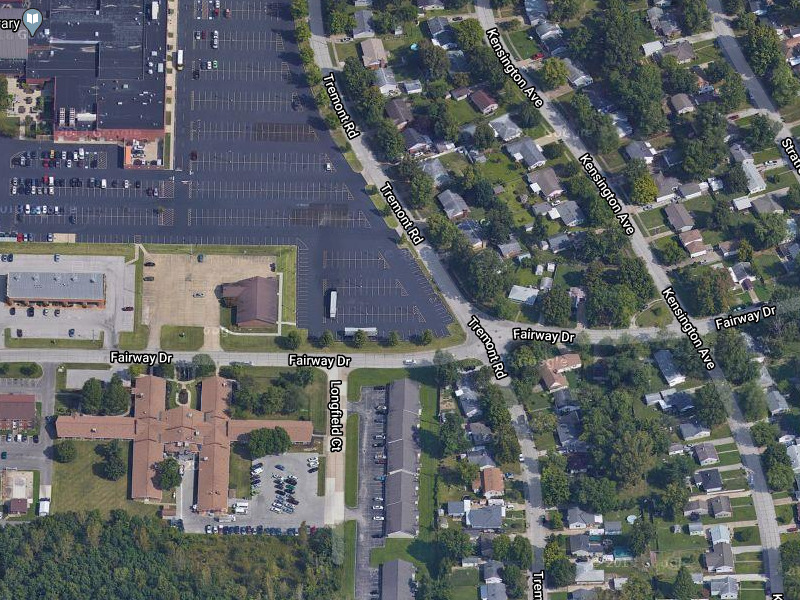
Navigating a community college campus can be disorienting—especially if it's your first day, you're visiting from out of town, or you're trying to make a meeting on time. For students, faculty, and guests at Ivy Tech Evansville, access to a clear, accurate, and up-to-date map isn’t just helpful—it’s essential. Whether you're looking for the Admissions Office, need parking directions, or want to locate a specific classroom, the right map makes all the difference.
This guide dives into everything you need to know about the Ivy Tech Evansville campus map: how to access it, what it includes, how to interpret it, and practical tips to help you move efficiently across the grounds.
Why the Ivy Tech Evansville Map Matters
A campus map is more than a digital image or printed handout—it’s a tool for success. At a regional campus like Ivy Tech Evansansville, which serves thousands of students across multiple academic programs, knowing where buildings, services, and support centers are located reduces stress and improves time management.
Common scenarios where the map proves invaluable: - A new student trying to find the Testing Center before an exam - A parent visiting for orientation and needing accessible parking - A transfer student locating Financial Aid before registration - A guest attending a workforce training session in a technical lab
Without a reliable map, these routine activities become frustrating detours. The official Ivy Tech Evansville map eliminates confusion and streamlines your campus experience.
How to Access the Official Campus Map
The most accurate and frequently updated Ivy Tech Evansville map is hosted on the college’s official website. Here’s how to find it:
- Go to ivytech.edu/evansville
- Click on “Campus Resources” in the main menu
- Select “Campus Map” from the dropdown
Alternatively, use a direct Google search: “Ivy Tech Evansville campus map” — the official .edu result typically appears at the top.
The map is available in two formats: - Interactive web version: Clickable buildings, service descriptions, and real-time updates - Printable PDF: Ideal for saving offline or printing for orientation day
Pro tip: Save the map link in your phone’s bookmarks or download the PDF to your device. You’ll avoid scrambling for Wi-Fi when you need directions mid-campus.
Key Buildings and Locations on the Map
The Ivy Tech Evansville campus spans several interconnected buildings and outdoor spaces. Here’s a breakdown of the most important locations you’ll see on the map—and what each one offers.
#### 1. Academic Building (Main Hall) This is the central hub for classrooms, faculty offices, and general studies. Most associate degree programs hold core courses here. - Look for: Room numbers listed by floor, elevators, ADA access points - Common mistake: Assuming all classes are here—some labs and technical programs are in other buildings
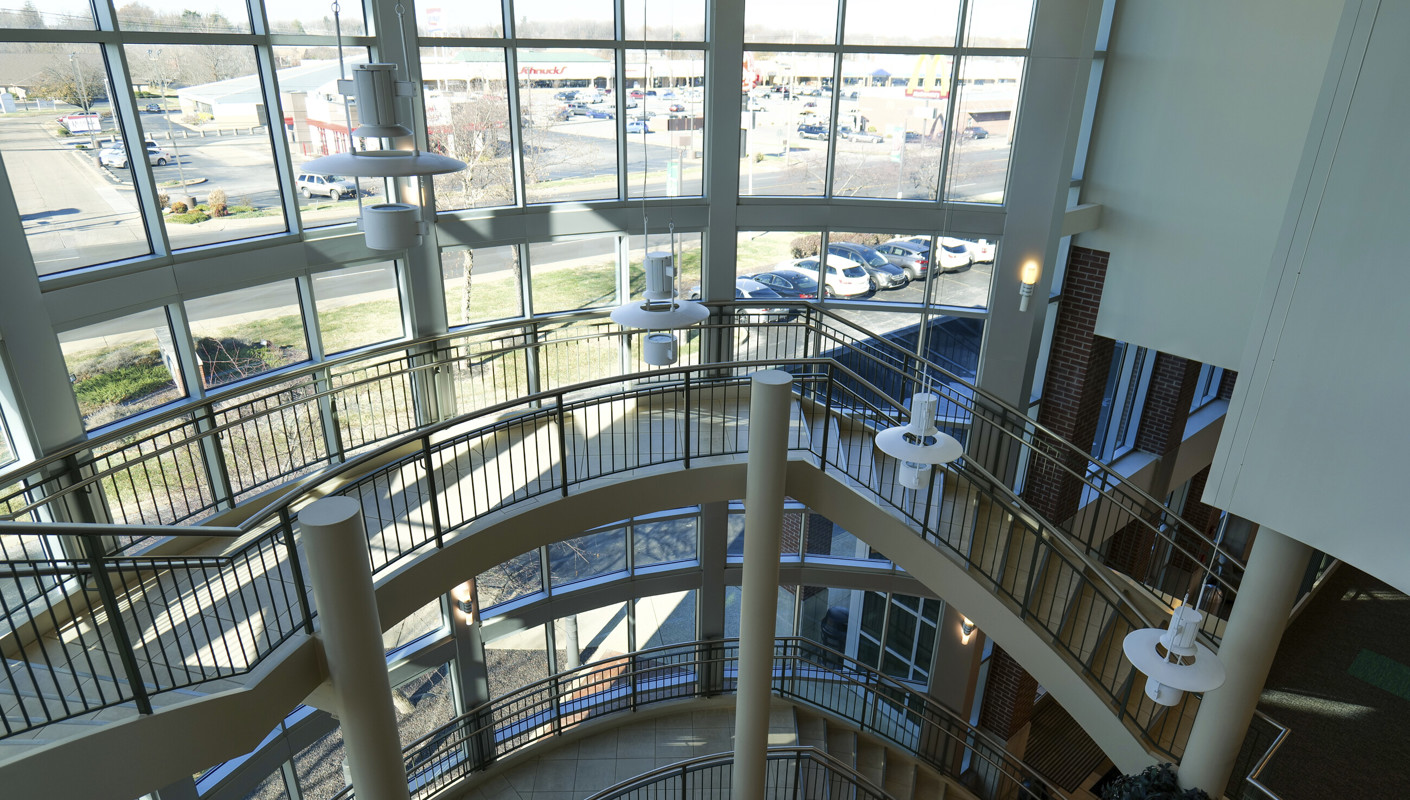
#### 2. Student Services Center Critical for administrative needs: - Admissions - Financial Aid - Academic Advising - Registrar
Tip: Visit early in the semester—wait times increase during registration periods.
#### 3. Library and Learning Resource Center More than just books, this facility includes: - Computer labs - Study rooms (reservable) - Tutoring services - Printing and scanning stations
On the map, it's often marked with a book icon or labeled “LRC.”
#### 4. Workforce Development and Technical Labs Houses programs like: - Advanced Manufacturing - Electrical Technology - HVAC - Automotive Service
These labs are physically separate from the main academic building. Check the map closely—students in technical programs often walk 5–10 minutes between locations.
#### 5. Evansville Campus Center (ECC) The social and operational heart: - Dining area and vending zones - Student lounge - Campus security office - Mailroom
Great for taking breaks or meeting classmates between classes.
Parking and Accessibility Features on the Map
One of the most overlooked aspects of campus navigation is parking—especially for first-time visitors.
The official map includes: - Designated visitor parking zones (often near the main entrance) - Student and employee lots (require permits) - ADA-compliant spaces near all major buildings - Bike racks and walking paths
Common mistake: Parking in faculty-only zones. These are clearly marked on the map and monitored by campus security. Violators risk being towed.
Workflow tip: If you have back-to-back classes in different buildings, park centrally—usually near the ECC or Student Services Center—to minimize walking distance.
Digital vs. Print Maps: What Works Best
While both formats have their place, your choice depends on usage context.
| Format | Best For | Limitations |
|---|---|---|
| Interactive Online Map | Real-time navigation, service links, mobile access | Requires internet; may load slowly on older devices |
| Printed PDF Map | Orientation events, no-service zones, classroom handouts | Not updated in real time; lacks clickable features |
Recommendation: Use the online version during regular attendance and keep the PDF as backup. During campus tours or orientation, hand out printed maps—many attendees aren’t yet connected to college Wi-Fi.
Common Navigation Mistakes and How to Avoid Them
Even with a map, students often get lost. Here are frequent errors and how to prevent them:
- Not checking building abbreviations
- The map uses codes like “AC” for Academic Center or “WDC” for Workforce Development Center. Always cross-reference the legend.
- Arriving during construction periods
- Temporary closures or detours aren’t always reflected on static maps. Check the Evansville campus homepage for alerts.
- Ignoring indoor signage
- The map gets you to the building—but hallways and stairwells have internal signs. Follow color-coded floor markers.
- Overlooking service hours
- Just because a building appears on the map doesn’t mean it’s open 24/7. Labs and offices have restricted access outside business hours.

Pro strategy: Walk the campus during a low-traffic time (e.g., mid-morning Tuesday) to memorize key routes before your first full day.
Campus Map for Special Events and Visitors
Visitors—whether attending commencement, career fairs, or community workshops—need a simplified navigation path.
The map helps by: - Highlighting event-specific entrances - Showing temporary signage zones - Directing to guest parking and restrooms
For example, during graduation, the main stage is set up near the ECC courtyard. The event map (a subset of the full campus map) marks shuttle stops, seating areas, and ADA access routes.
Tip for families: Arrive 45 minutes early and use the visitor map to avoid last-minute panic.
Improving Your Campus Experience
with Map Literacy
Understanding how to read the Ivy Tech Evansville map goes beyond pointing and clicking. It’s about building spatial awareness.
- Try this exercise:
- Open the map on your phone
- Stand at the main entrance
- Identify three key locations you’ll visit this week
- Trace the walking route on the screen
- Walk it—then compare actual time to estimated
This practice reduces anxiety and builds confidence, especially for non-traditional or returning students who may feel out of place.
Final Tips for Mastering Campus Navigation
- Sync the map with Google Maps: Drop a pin on the main campus address (3501 N. Court Ave, Evansville, IN) for driving directions.
- Use landmarks: The flagpole near the ECC is a reliable meeting point.
- Ask for help early: Campus ambassadors and security staff carry printed maps and know shortcuts.
- Check for updates: Relocated offices or new construction change the map monthly.
The Ivy Tech Evansville map isn’t just a tool—it’s part of your academic toolkit. Treat it like your syllabus: consult it early, use it often, and keep it close.
For the most accurate experience, always refer to the official Ivy Tech website. Print it, save it, or screenshot it—just make sure it’s with you on day one.
FAQ
Where is the main entrance at Ivy Tech Evansville? The primary entrance is on N. Court Avenue, leading directly to the Campus Center and Student Services.
Is visitor parking available? Yes—designated visitor spaces are located near the Campus Center and Academic Building. Look for signage or check the map for “V” zones.
Are all buildings wheelchair accessible? Yes, all major buildings have ADA-compliant entrances, elevators, and restrooms. These features are marked on the official map.
Can I get a printed map at the campus? Absolutely. Stop by the Student Services Center or Admissions Office to pick up a physical copy.
How often is the campus map updated? The map is reviewed quarterly and updated whenever there are facility changes, construction, or new services.
Do online students need the campus map? Only if attending labs, exams, orientation, or special events on-site.
Is there a mobile app with the campus map? Not currently. However, the website is mobile-friendly and works well on smartphones.
FAQ
What should you look for in Ivy Tech Evansville Map – Campus Navigation Guide? Focus on relevance, practical value, and how well the solution matches real user intent.
Is Ivy Tech Evansville Map – Campus Navigation Guide suitable for beginners? That depends on the workflow, but a clear step-by-step approach usually makes it easier to start.
How do you compare options around Ivy Tech Evansville Map – Campus Navigation Guide? Compare features, trust signals, limitations, pricing, and ease of implementation.
What mistakes should you avoid? Avoid generic choices, weak validation, and decisions based only on marketing claims.
What is the next best step? Shortlist the most relevant options, validate them quickly, and refine from real-world results.